Key takeaways
- The glazed tile in a 1960s bathroom was made to last, and in most houses it has outlasted the grout and the wall behind it.
- Keeping it is a fair choice if you like it and the wall is sound, and there are preservation groups that will back you up.
- Keeping it stops making sense when the tile sounds dull when you tap it, the floor by the tub gives, or a repair means matching a color and size nobody stocks.
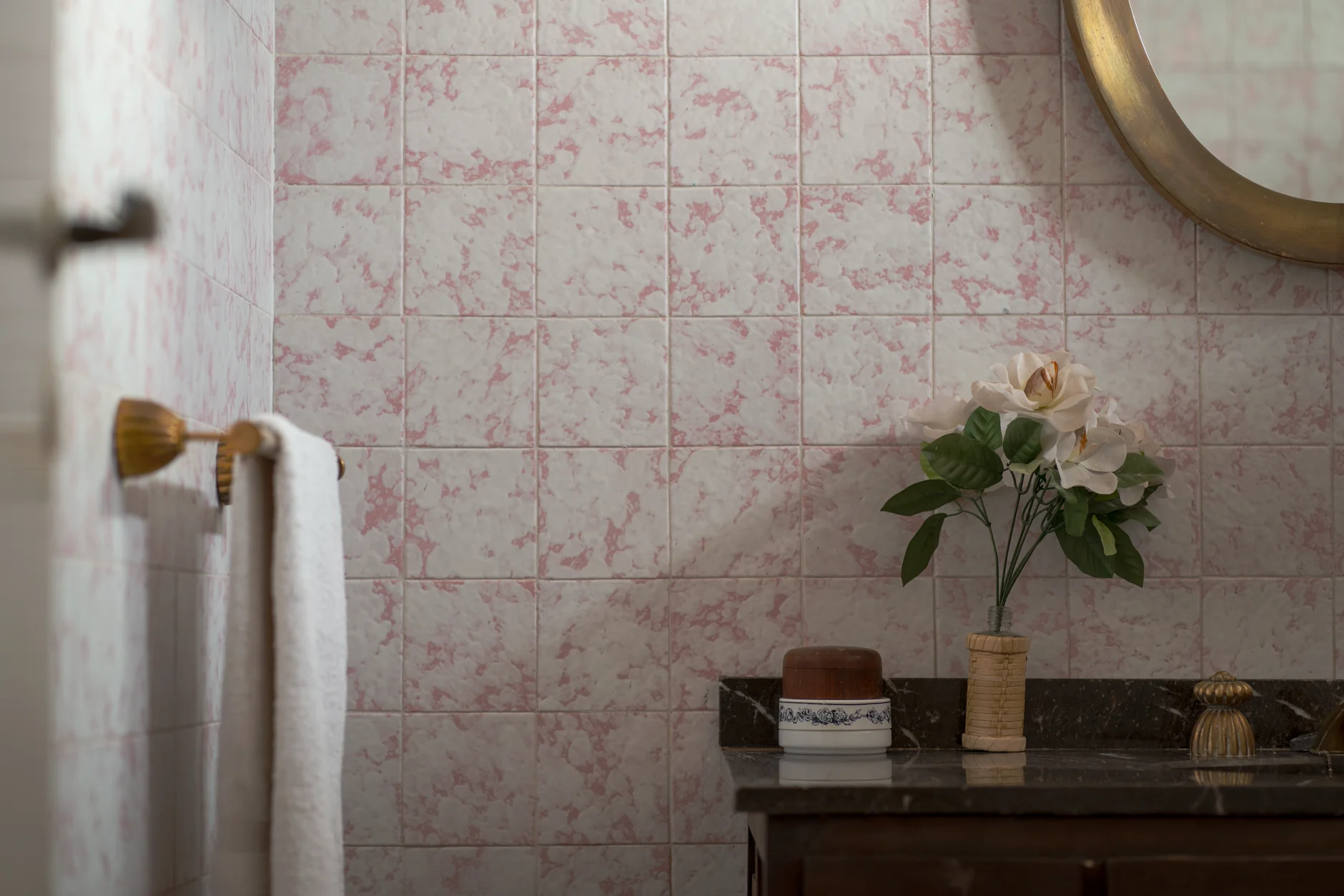
The pink tile in the hall bath has no chips, the glaze still shines, and the grout between the tiles is the color of weak tea. If you own a 1960s bathroom you've heard two opinions about it. The house-flipping shows say gut it. The neighbor who loves mid-century houses says it's the best-built thing in the place and you'd be crazy to tear it out. They each have a point, and the tile is the least of it. In most of the houses our crews open, the tile has outlasted the wall it's stuck to, and the wall decides how long you get to keep it.
Where all the pink came from
Pink had help from the White House. The National Park Service, which runs the Eisenhower farm in Gettysburg, says Mamie Eisenhower's love of the color helped make it one of the most popular colors of the 1950s, and her own bathroom there is pink.
In Cincinnati a lot of that pink is still on the walls, along with mint green, powder blue and the almond that turns up in so many ranches in Anderson Township, Montgomery and Fort Thomas, Kentucky. Most of it is the same small square glazed tile, set by hand.
Why the tile outlasts everything around it
Each tile is fired clay with a glaze on its face, and the glaze is a layer of glass fused to the clay in the kiln. Water and soap don't soak into glass, and sixty years of cleaners haven't changed the color. Our installers pull this tile off on demo day with the glaze unmarked.
The tile is the only part of the wall built that way. The grout between the tiles is cement and sand, and it takes on water every time someone showers, which is why it turns gray again a few months after you clean it. Behind the tile sits a mortar bed or a sheet of gypsum board, and in most houses this age there's no waterproof layer between that and the studs. What's behind the shower tile in a 1960s Cincinnati bathroom goes through those layers one at a time.
So the tile is the hard shell, and the parts that wear out sit between it and behind it. "They don't make it like they used to" is true of the tile. It's a lot less true of the wall.
The case for keeping it
It's a fair case, and the people who make it aren't being sentimental. A pink or mint bathroom in good shape took a tile setter days to build, it's part of what the house is, and once it's in a dumpster nobody gets it back.
You'd have company. The Retro Renovation site started a Save the Pink Bathrooms campaign for owners who want to keep their vintage colors, and the campaign covers more than pink. The Tile Heritage Foundation, a nonprofit founded in 1987, works on preserving existing tile installations and identifies tile for the public at no charge. If you want to know who made yours, start there.
Keeping it also costs less than any remodel, and on a sound wall it can go years longer with some care:
- Clean the grout with oxygen bleach, let it dry a full day with the fan on, and seal it. The gray-grout post linked above has the full routine.
- Cut out the caulk where the tub meets the tile and run a new bead of 100 percent silicone.
- Run the bathroom fan after every shower until the mirror clears and the walls are dry.
- Keep any spare tiles you find in the basement. They're the only exact match you'll ever get.
Before you chip out a cracked tile or scrape old adhesive in a house this age, know that the Environmental Protection Agency says you can't tell whether an older material contains asbestos by looking at it, and it recommends a professional inspection before a remodel that would disturb it. A careful regrout is one thing. Breaking up the wall is another.
When keeping it stops making sense
The tile can be perfect while the wall behind it is finished. The checks are the same ones in what fails first in a 20-year-old shower: tap the tile, press the floor by the tub with your heel, and look at the basement ceiling under the bathroom.
Keeping the tile stops making sense when any of these is true:
- Tiles on the tub wall sound dull when you tap them, in more than one small patch. The board or mortar behind has let go, and new grout on that wall is new grout on wet backing.
- The floor next to the tub gives. That repair takes the tub out, and the bottom rows of tile come out with it.
- You've regrouted twice and the grout is gray again within a year.
- A crack in the middle of the wall means finding a tile in a 60-year-old color and size. Close isn't close next to the original glaze.
- Someone in the house is having trouble stepping over the tub. Keeping the tile means keeping the tub.
People ask whether the tile can be saved when the wall comes out. Some of it comes off whole. Resetting a full wall of it means cleaning old mortar off the back of every tile and setting it on new backer board with new grout, and you're back to sealing the same joints you were tired of. That's a job for a tile setter who likes restoration work, and it takes days.
What we'd tell you at the kitchen table
If you love the pink and the wall taps solid, keep it, take care of the grout, and stop apologizing for it to your guests. If you don't love it and the wall sounds dull, there isn't much to decide. The hard case is the one in the middle, tile you like on a wall that's going, and in the houses we open, the wall wins that one.
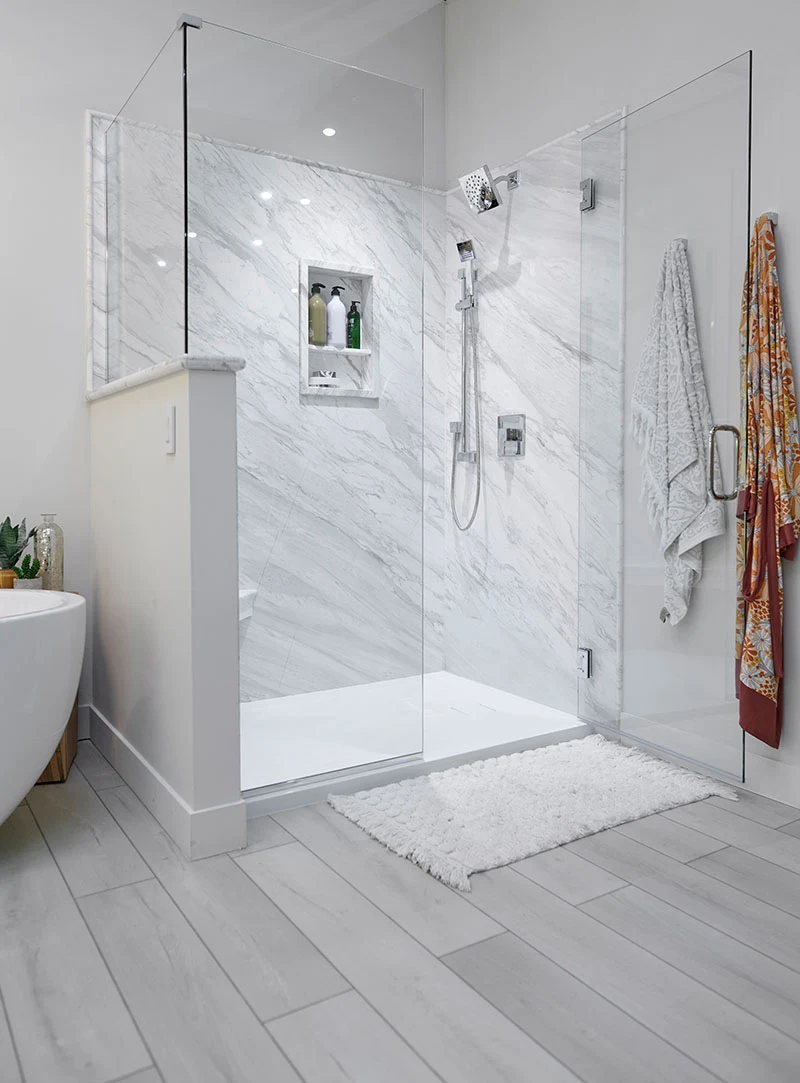
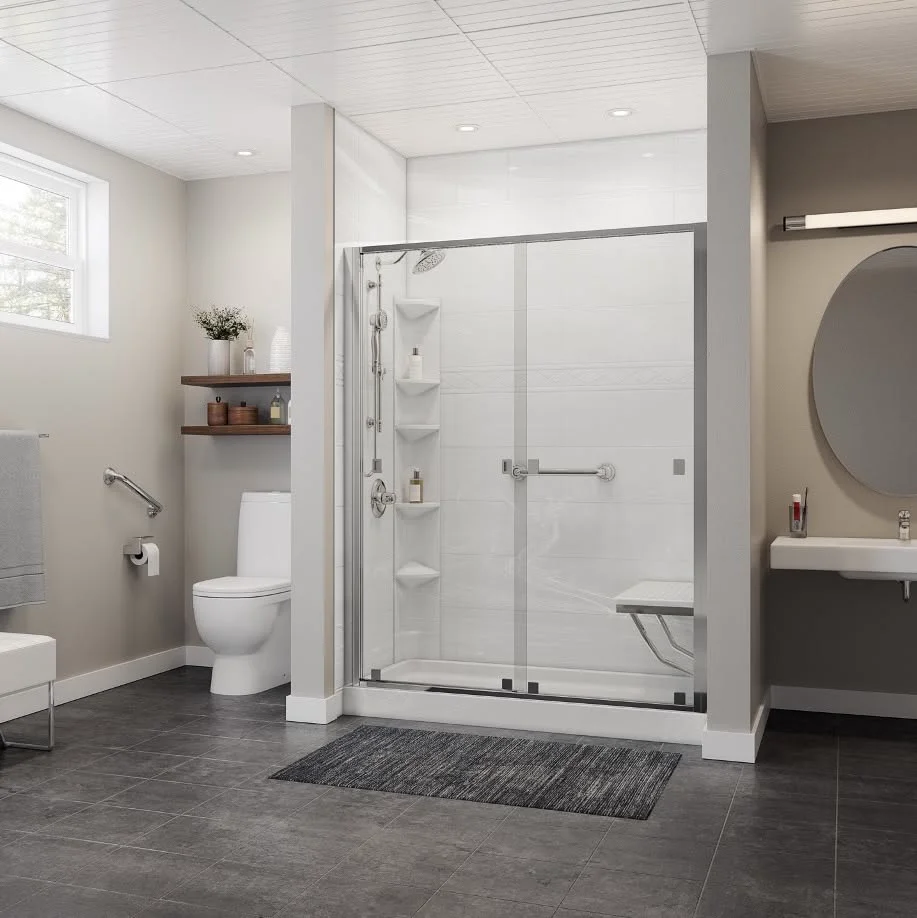
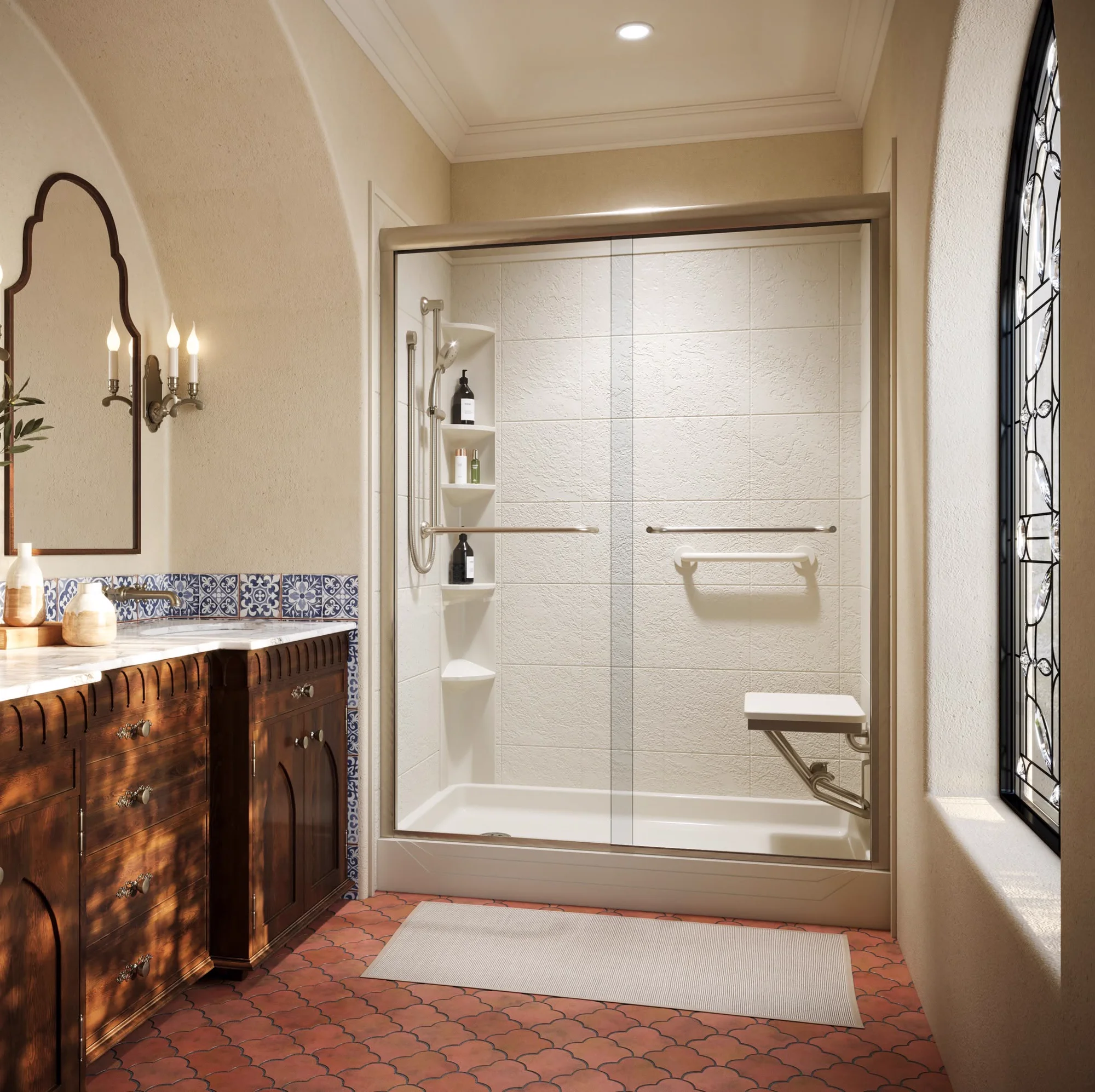
We've pulled a lot of almond tile out of Anderson Township, and most of it came off looking better than the board behind it. When Bulldog replaces a shower, our crew takes the tub or shower area to the studs and puts in grout-free solid-surface walls, base and fixtures in one day, with your first shower the next morning. The rest of the room (floor, vanity, toilet) is a separate, longer job. The wall colors include Almond and Biscuit for anyone who wants to keep the old feel, plus marble looks and subway patterns, on the colors and patterns page.