Key takeaways
- A sound cast-iron tub is worth keeping if you get in and out of it without trouble, and a grab bar and a hand shower make it safer.
- Refinishing fixes chipped or stained enamel and leaves the rim at the height it was.
- If stepping out over the rim is the hard part, taking the tub out for a low-threshold shower is the one option that removes the step.
- A clawfoot that stands out in the room makes the shower a layout change, which takes longer than one day.
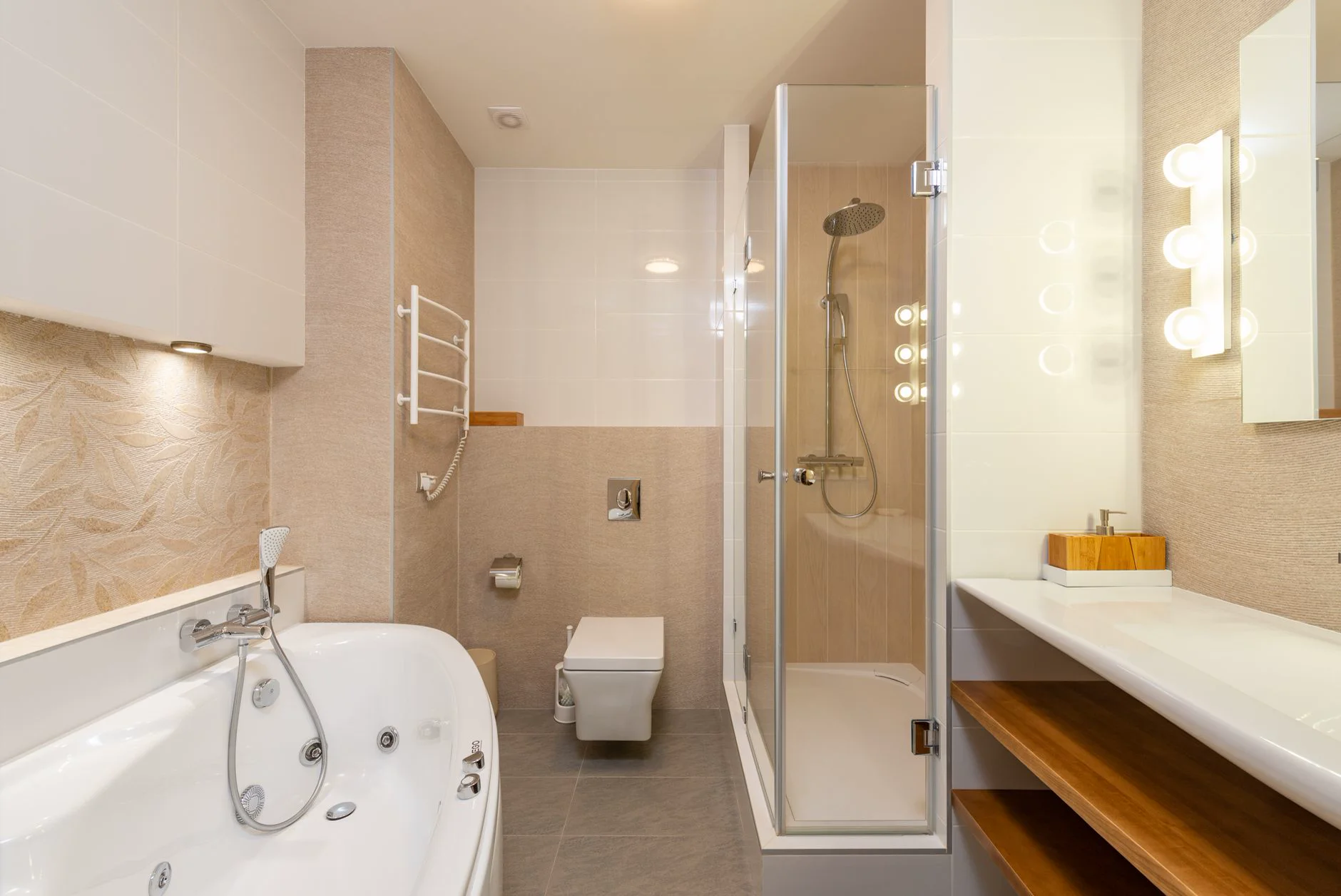
The bathroom upstairs in your 1920s Tudor in Hyde Park has a clawfoot tub that came with the house. You still use it every morning, and these days you hold the rim with both hands on the way out. Your son in Oakley has started sending links, and a search for clawfoot tub alternatives turns up pages of new tubs. You have three choices with the one you own: keep it as it is, have it refinished, or take it out for a shower. They fix different problems, and only the third one changes the height you step over.
The rim height on a clawfoot and on a cast-iron alcove tub
Start with a tape measure, because the number decides most of this. Barclay's spec sheet for its 60-inch cast-iron roll-top clawfoot puts the top of the tub 23 and a quarter inches off the floor. The same sheet puts the bottom of the tub 18 and five-eighths inches below the rim, so the inside floor sits about 4 and a half inches above the bathroom floor, and your foot lands on a curved, wet bottom. A built-in cast-iron alcove tub, the kind in a 1960s ranch, sits lower: a current manufacturer spec sheet for a 60-inch cast-iron alcove tub lists a 15-inch apron height.
The way out is the harder half. The CDC counted bathroom injuries treated in emergency rooms in 2008 and found that getting out of the tub or shower accounted for 9.8 percent of them and getting in for 2.2 percent. The same report put the bathroom injury rate at 112 per 100,000 people between 65 and 74, and 241 between 75 and 84. You climb in dry. You climb out wet, with soap on your hands and nothing to hold but the rolled edge of the tub.
Option 1: keep the tub and make it easier to use
A cast-iron tub with its enamel intact is a good tub, and there is no reason to rip out one you can still use. If you step in and out without holding on, keeping it is the right call, and a few changes make it safer.
- Put a grab bar on the wall beside the tub, anchored into the framing, level with where your hand falls when you stand up. A clawfoot that stands a few inches off the wall still works with a bar, as long as you can reach it from inside the tub.
- Add a hand-held shower on the tub's faucet, so you can rinse sitting down instead of standing under a spray.
- Lay non-slip strips in the bottom of the tub and a rubber-backed mat on the floor outside it. Barclay's new clawfoot ships with non-skid strips; a 1920s tub has bare enamel.
Our post answering "grab bars are for old people" shows what a bar in brushed nickel or matte black looks like next to a tub, and why a towel bar won't do the job.
Check the floor while you're at it. Barclay lists that clawfoot at 287 pounds empty and 622 pounds full, and all of it rests on four feet. If the floor around the feet or along the side of the tub gives under your heel, read what a soft floor next to the bathtub means before you spend anything on the tub itself.
Option 2: refinish (reglaze) the enamel
Refinishing, also called reglazing, puts a new finish on the tub where it sits. A refinishing company cleans the old enamel, sands or strips it, fills the chips, and sprays on a new coating that cures in your bathroom. The original finish was fired onto the iron at the factory. The new one sits on top of it.
It fixes what you see: chips, a rust ring at the drain, enamel worn dull where the water hits. On a clawfoot, the refinisher can paint the outside of the tub a new color in the same visit. It leaves the rim where it was, so the step out is the same height the day after as the day before.
Ask one question before you hire anyone: how do you strip the old finish? The CDC looked into 13 deaths among bathtub refinishers from 2000 to 2011, all tied to methylene chloride strippers used in bathrooms without enough ventilation. The report said such a stripper is unlikely to be safe in a small, enclosed bathroom and urged refinishers to consider other methods, such as sanding. A refinisher who sands, runs a fan to the outside and tells you how long to stay out of the room has thought about it.
Before you sign, get the care instructions and the warranty in writing. Ask which cleaners the new coating can take and what the warranty covers if it peels.
Option 3: remove the tub for a low-threshold shower
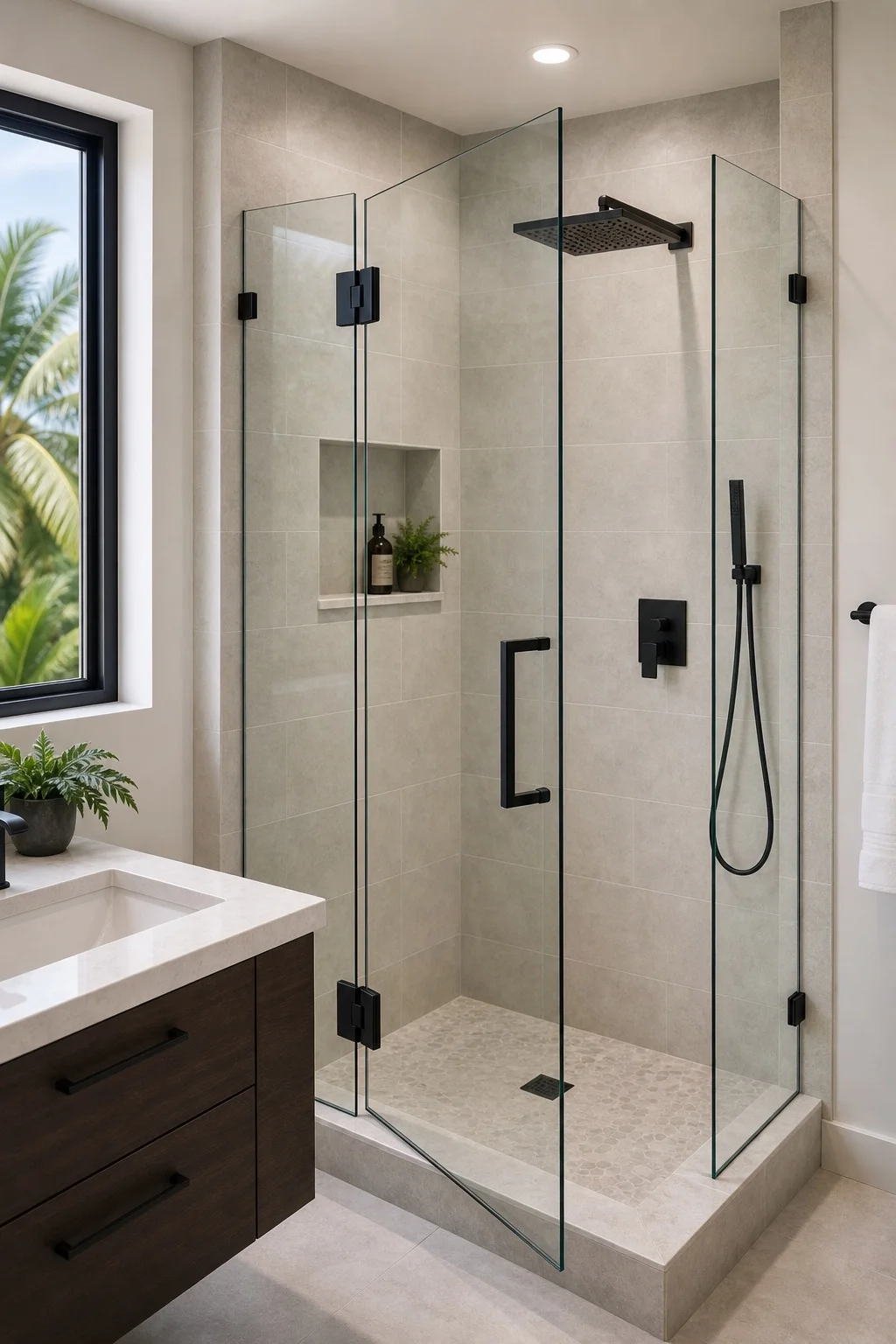
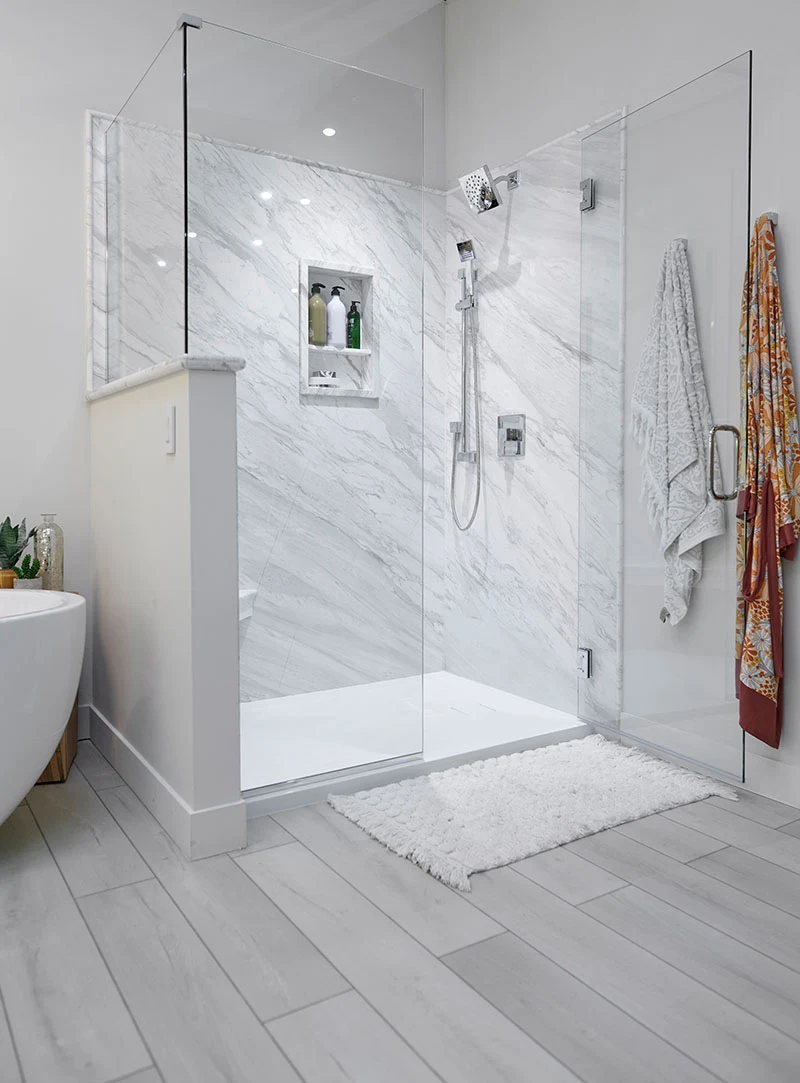
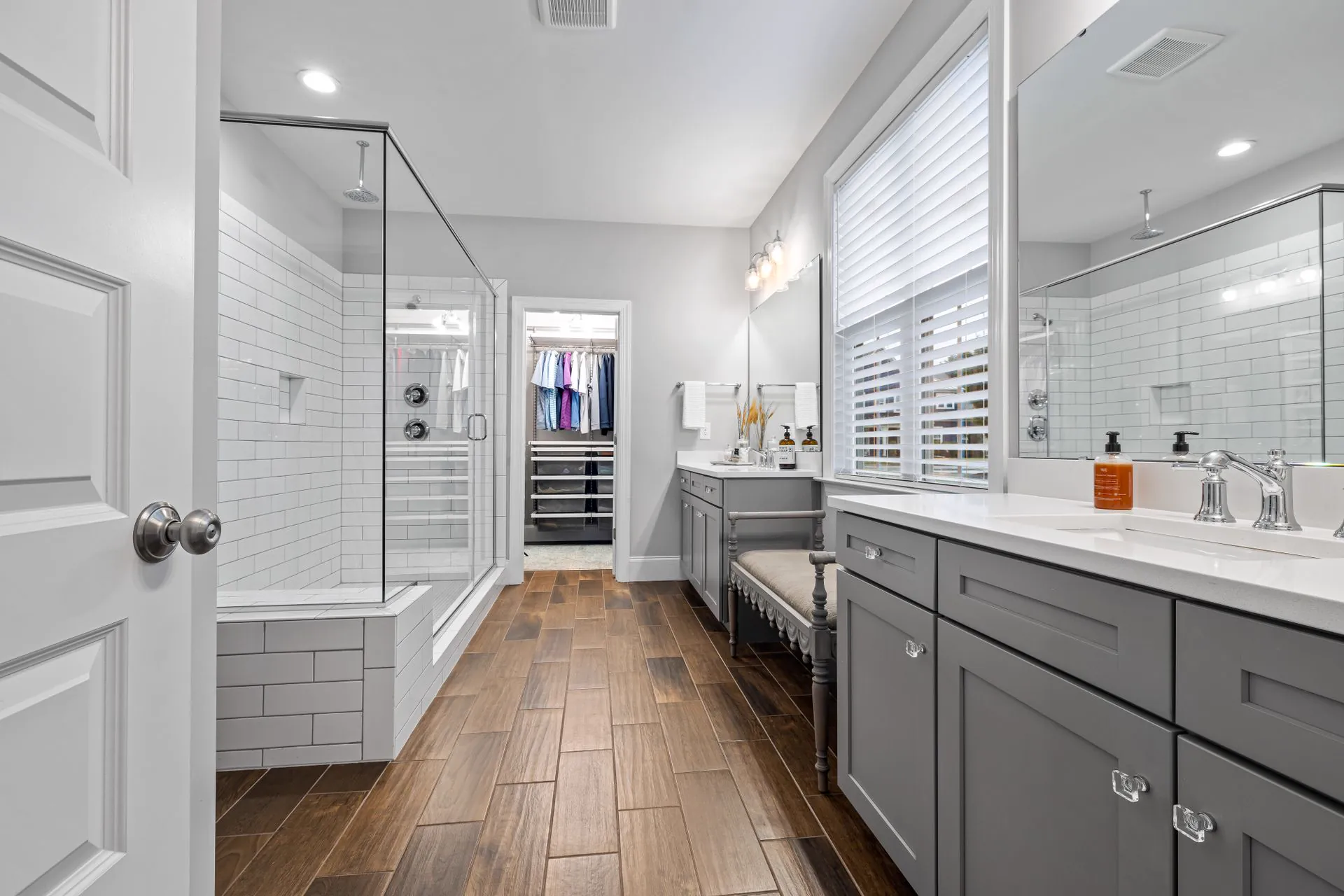
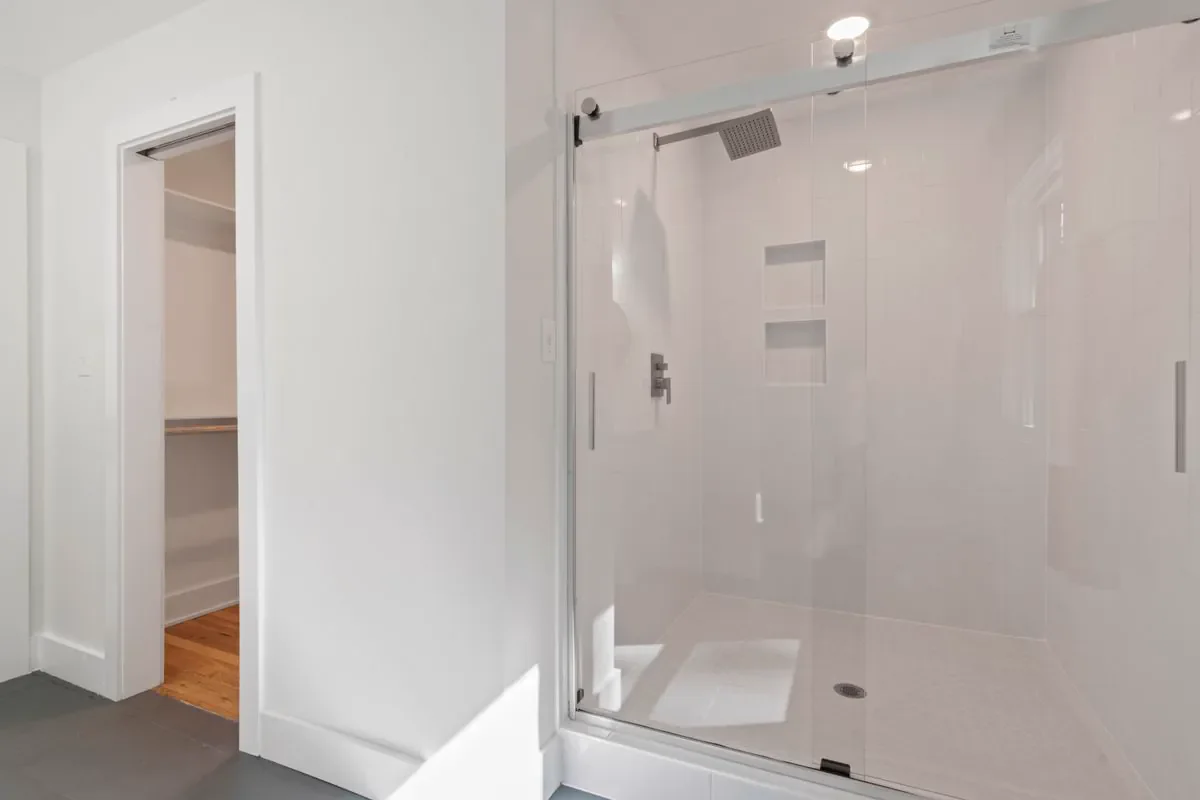
A tub-to-shower conversion takes the tub out and puts a shower in its place: a base measured to the space, with a low threshold (a lip you step over instead of a wall you climb), solid-surface walls with no grout lines, and a slip-resistant floor. A built-in seat and a hand-held shower go in the same day if you want them. Our tub-to-shower conversions page shows the bases and walls.
How long it takes depends on where the tub stands.
- A cast-iron alcove tub between three walls. The shower goes in the same footprint. Our crew takes the wet area to the studs in the morning and has the new base, walls and fixtures in by evening, and you take your first shower the next morning. The floor, vanity and toilet in the rest of the room are a separate, longer job.
- A clawfoot standing out in the room. A shower needs walls or glass around it, and the clawfoot's drain may not sit where a shower drain needs to go. That makes it a layout change with a plumbing move, which takes longer than a day, and the consultant tells you so at the measuring visit.
A clawfoot tucked into a 5-foot nook between two walls lands somewhere in the middle, and only a tape measure settles it.
One more thing to know about cast iron. On install day, our crew breaks a cast-iron tub in place and carries it out in pieces, as our install-day walkthrough describes. If you want the clawfoot to go to a grandchild or a salvage yard in one piece, have movers take it out before install day.
Clawfoot tub alternatives side by side: keep, refinish or remove
| Keep and add a bar | Refinish the enamel | Remove for a shower | |
|---|---|---|---|
| What changes | A bar, a hand shower, non-slip strips | The finish on the tub | The tub is gone; low-threshold base and new walls |
| The step out | Same rim height | Same rim height | A low lip |
| Who does it | A handyman for the bar | A refinishing company | A remodeler; one day in an alcove, longer if the layout changes |
| Best for | You get in and out without trouble | You love the tub and the enamel is worn | Getting out of the tub is the hard part |
Which option fits your bathroom
If you step in and out without reaching for anything, keep the tub. Put the bar up this month and the hand shower on the faucet, and look at it again in a few years.
If the enamel is chipped and you love the tub, refinish it, with the stripper question asked first. Know that you're paying to make the same step look better.
If you hold the rim with both hands, sit on the edge to swing your legs over, or wait until someone else is in the house to bathe, the rim is the problem, and only removing the tub takes it away. The same goes if a shower curtain on a ring is the only thing between you and the floor when you stand up.
"It will look like a hospital bathroom"
That's a fair worry, and some converted showers do. The white fiberglass stall with a fold-down plastic seat is the one you're picturing.
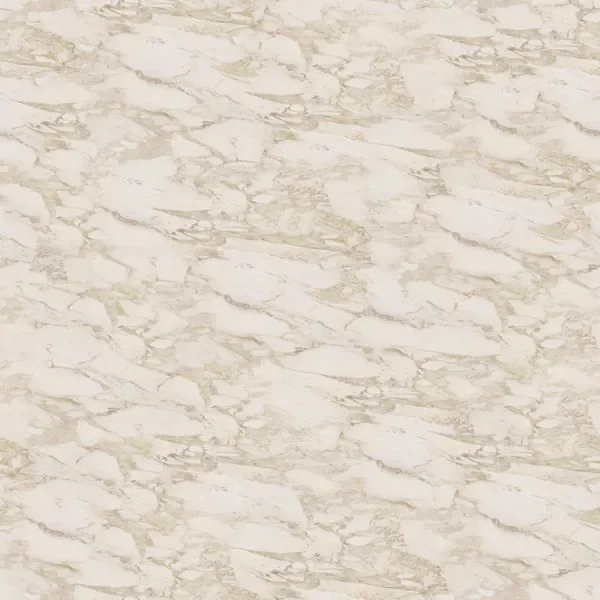
The parts decide the look. Walls in a Calcutta Marble or travertine pattern, the two looks most of our customers pick, read as stone from across the room. A seat built into the end wall in the same material looks like a bench for the shampoo. Bars in the same finish as the faucet look like towel bars. In a 1920s house, a Hexagonal or 3x6 Subway pattern cut into one solid panel sits well next to the old floor, with no grout lines to scrub.
How Bulldog handles a cast-iron or clawfoot tub
A Bulldog design consultant comes to the house, measures the space, and looks at where the tub stands, where the drain runs and how the floor feels next to it. You hear at that visit whether your shower is a one-day job or a longer one, and why, before you sign anything. The same crew that measured comes back to install, and the product and the work carry a lifetime warranty for as long as you own the home.
With promotional financing, qualified buyers get a new grout-free shower for as low as $150 a month, or 12 months no interest, on approved credit. Bulldog also has a discount for homeowners 65 and older, and the consultant has the details.
If you're keeping the tub for now, put the bar up first. If getting out is already the hard part, our post on what sets the price of a one-day shower explains what goes into the written quote.
Staying in your house: a bathroom plan for the next 15 years puts these changes in order.