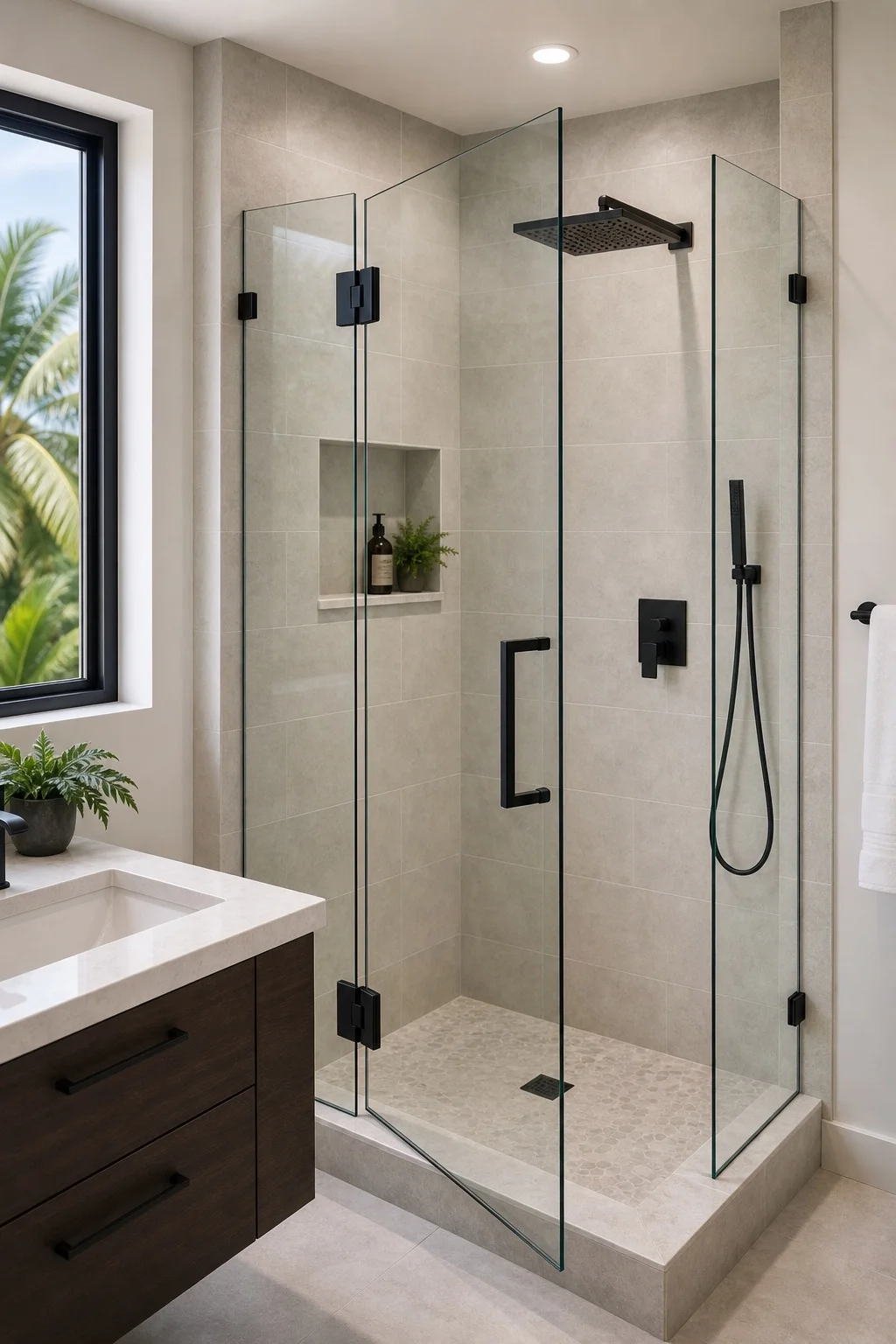
Key takeaways
- Grout-free shower walls are solid-surface panels made to fit your tub or shower area, with no grout lines to seal, scrub or regrout.
- Care is mild soap and water, with no abrasive pads or harsh cleaners.
- They come in marble and travertine looks and in tile-look patterns like subway and herringbone.
- Tile is still the right pick for a hand-set mosaic, a curbless wet room or a feature wall.
You've always pictured the new master shower in tile. Your parents had tile, the nice houses on the parade of homes had tile, and the one panel shower you remember was the shiny white one at the lake house. Then you saw an ad for a shower done in one day with no grout, in a pattern that looks like marble. So you typed "grout free shower walls" into the iPad to find out what you'd be giving up. Bulldog stopped selling tile, and you should know that going in. We'll still tell you when tile is the better call.
Each section below answers one question homeowners ask us at the kitchen table, in about the order they ask it, and points to the post that goes deeper.
What grout-free shower walls are
A grout-free shower wall is a solid-surface wall made to the measurements of your tub or shower area, with no grout lines anywhere on its face. The panel is non-porous, so water and soap sit on top of it instead of soaking in.
The words get muddy online. People search "acrylic shower walls," "wall panels," "surrounds" and "liners," and those cover three different products:
- The stock kit from the home store, sold in a few standard sizes and trimmed on site to fit an alcove it wasn't built for. Usually gloss white and thin.
- The liner, a formed shell set over the old tub and tile. The old wall, and anything wet inside it, stays behind the new one.
- A made-to-fit solid-surface wall system, measured in your bathroom, fabricated to those numbers and installed after the old wall comes out to the studs.
The third one is what Bulldog installs, and it's what this guide is about. Our walls come from Bath Concepts, a manufacturer that started making its own material in 1999 and builds in the USA. Its FAQ describes the products as "non-porous, high-tech polymer materials" and also as acrylic, which is why you'll see both words used for the same wall. On our site and in this blog we call it what our installers call it: grout-free solid-surface walls.
The kit and the liner are where the "apartment shower" reputation comes from. If that reputation is what's holding you back, the section on looks below takes it on.
What a grout-free shower asks of you
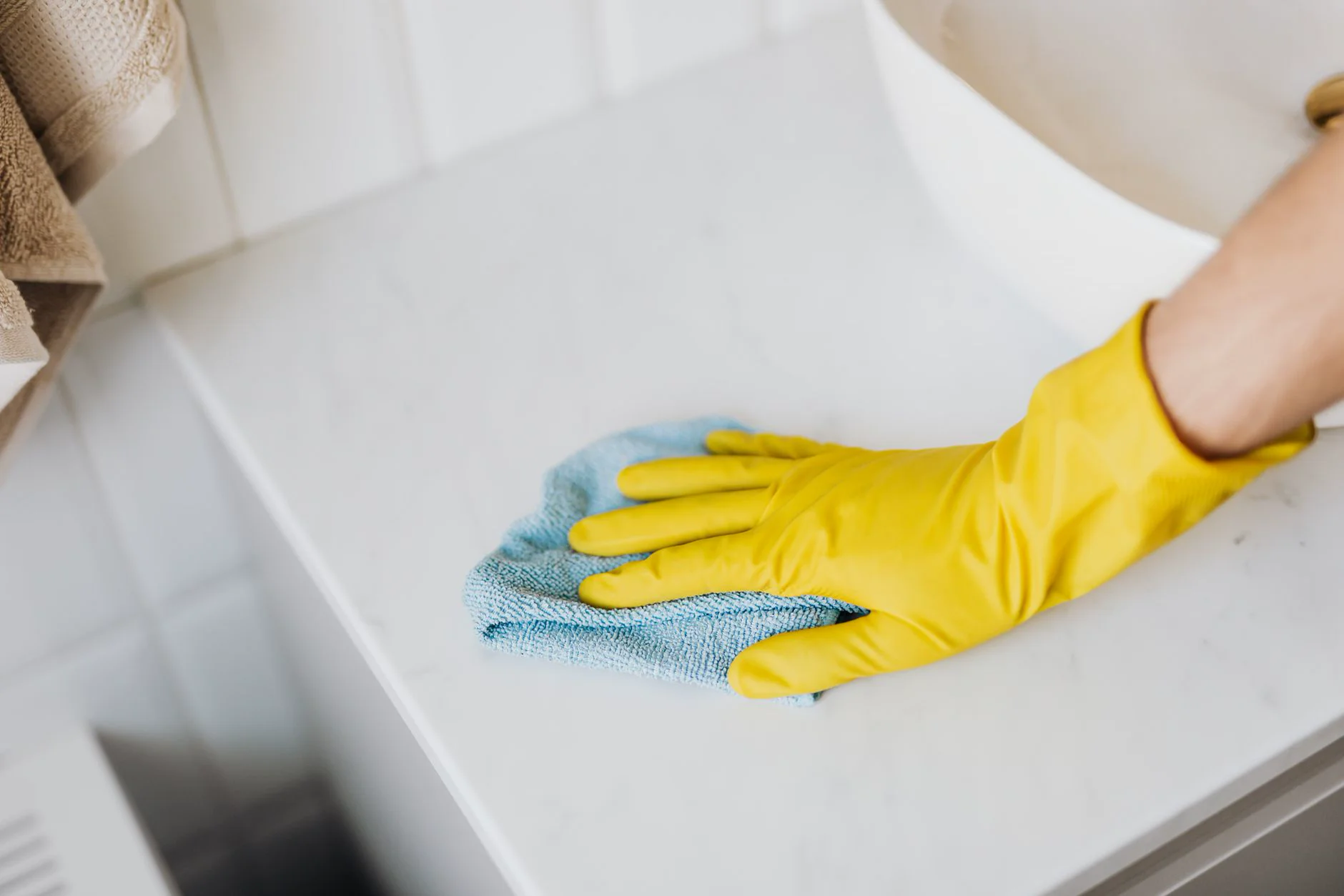
Care is mild soap, warm water and a soft cloth. That's the routine our crew writes on the care sheet they leave on install day, and it's the one the manufacturer gives: its FAQ says most surfaces clean with a soft cloth or sponge and mild soap and water.
On a Saturday in a hall bath, that's about ten minutes. Spray the walls with diluted dish soap, wipe them down, rinse with the handheld, and squeegee the glass. A rinse after the last shower of the day keeps soap film from building up between Saturdays.
The two things to keep off the walls:
- Anything gritty. Scouring powder, the green side of a kitchen sponge, steel wool, and cream cleansers with "scrub" on the label. Grit dulls the surface a little each time.
- Harsh chemicals. Solvents like nail-polish remover, and strong cleaners meant for other jobs. If you're not sure about a bottle, call us before you open it.
Compare that with what you do now. Grout is cement and sand, porous under its hard face, and a common grout sealer like TileLab SurfaceGard says on its data sheet that it protects for up to 2 years under natural exposure and routine wear. Then you clean, dry and seal again. With no grout on the wall, that whole cycle goes away. It's an easy shower to keep, and it still asks for a weekly wipe.
The bathroom still steams up, so run the fan after showers whatever your walls are made of. How to clean your new grout-free shower has the full routine, the vinegar trick for hard-water spots on the glass, and the list of cleaners to keep under the sink.
How grout-free walls look: marble, travertine and tile-look patterns
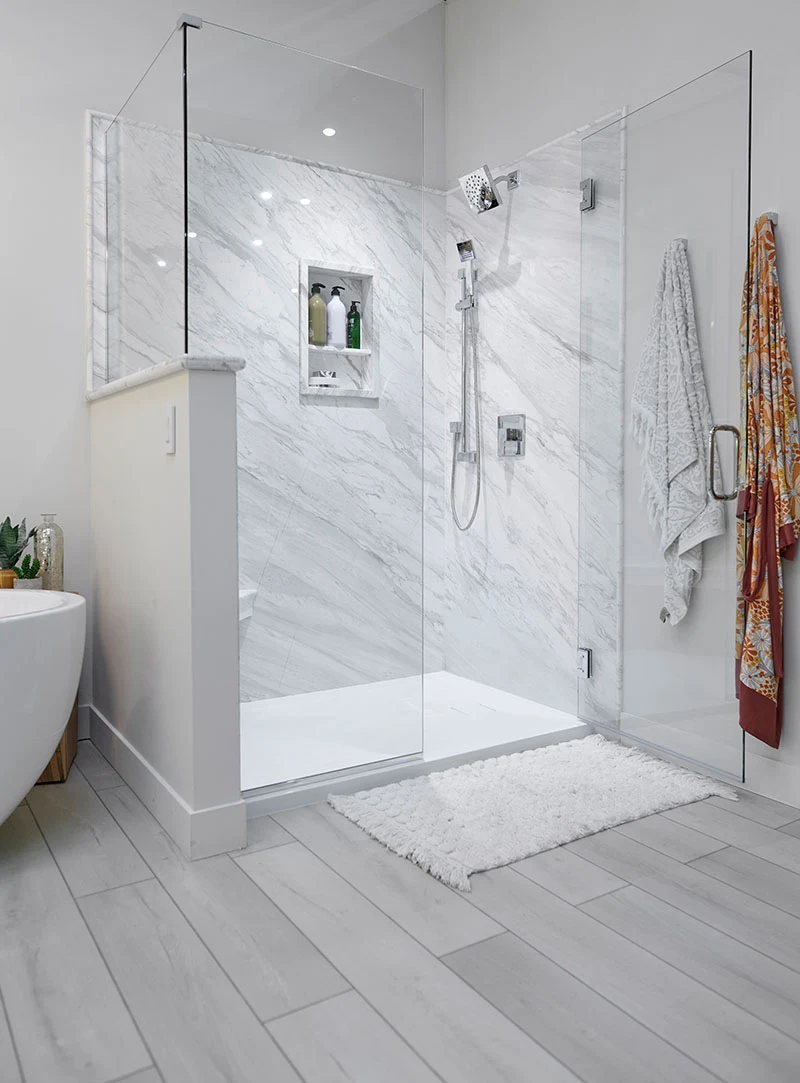
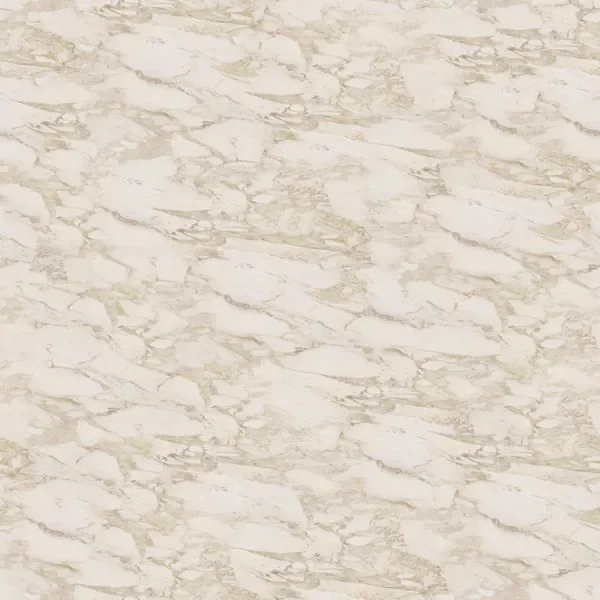
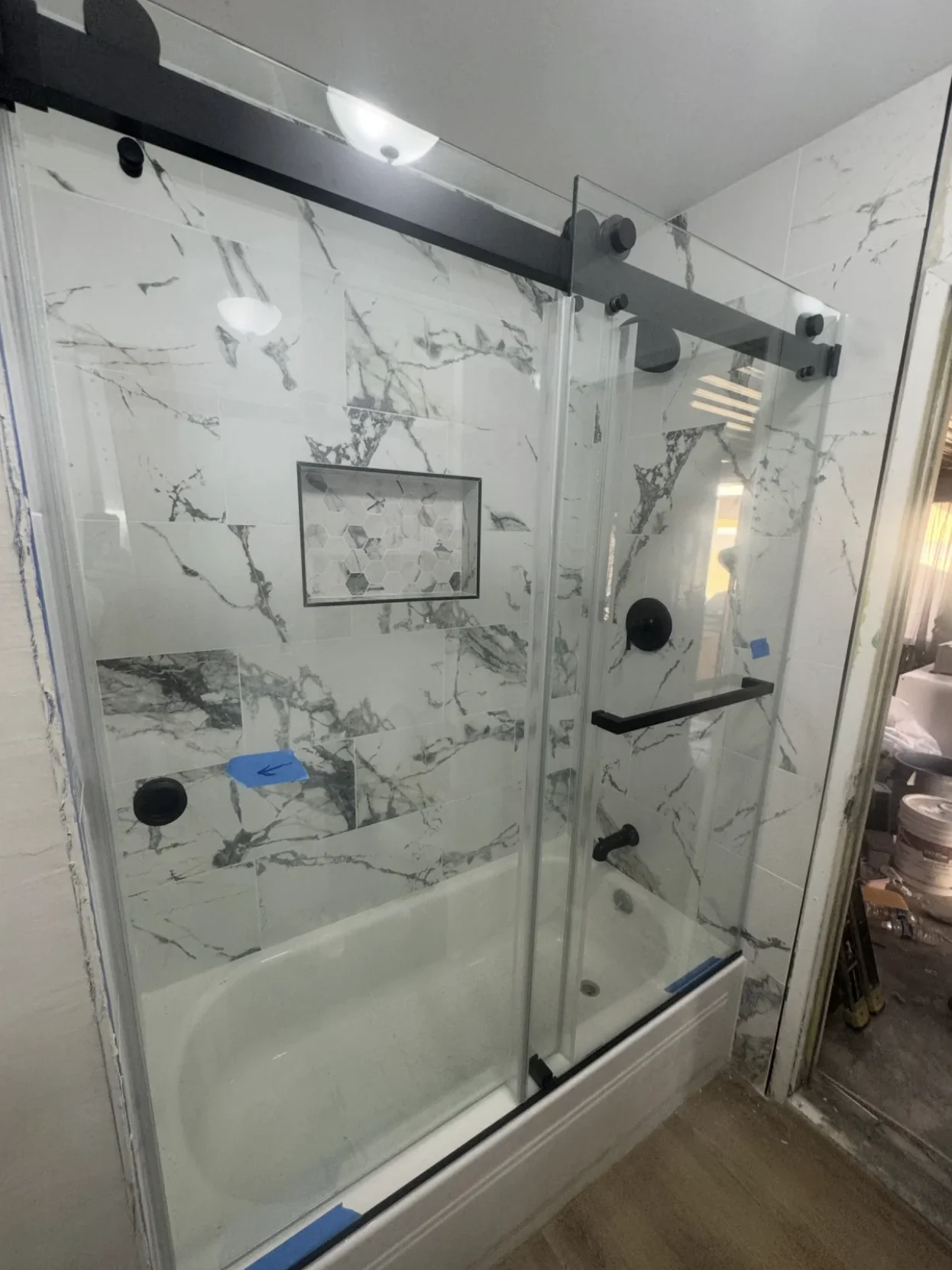
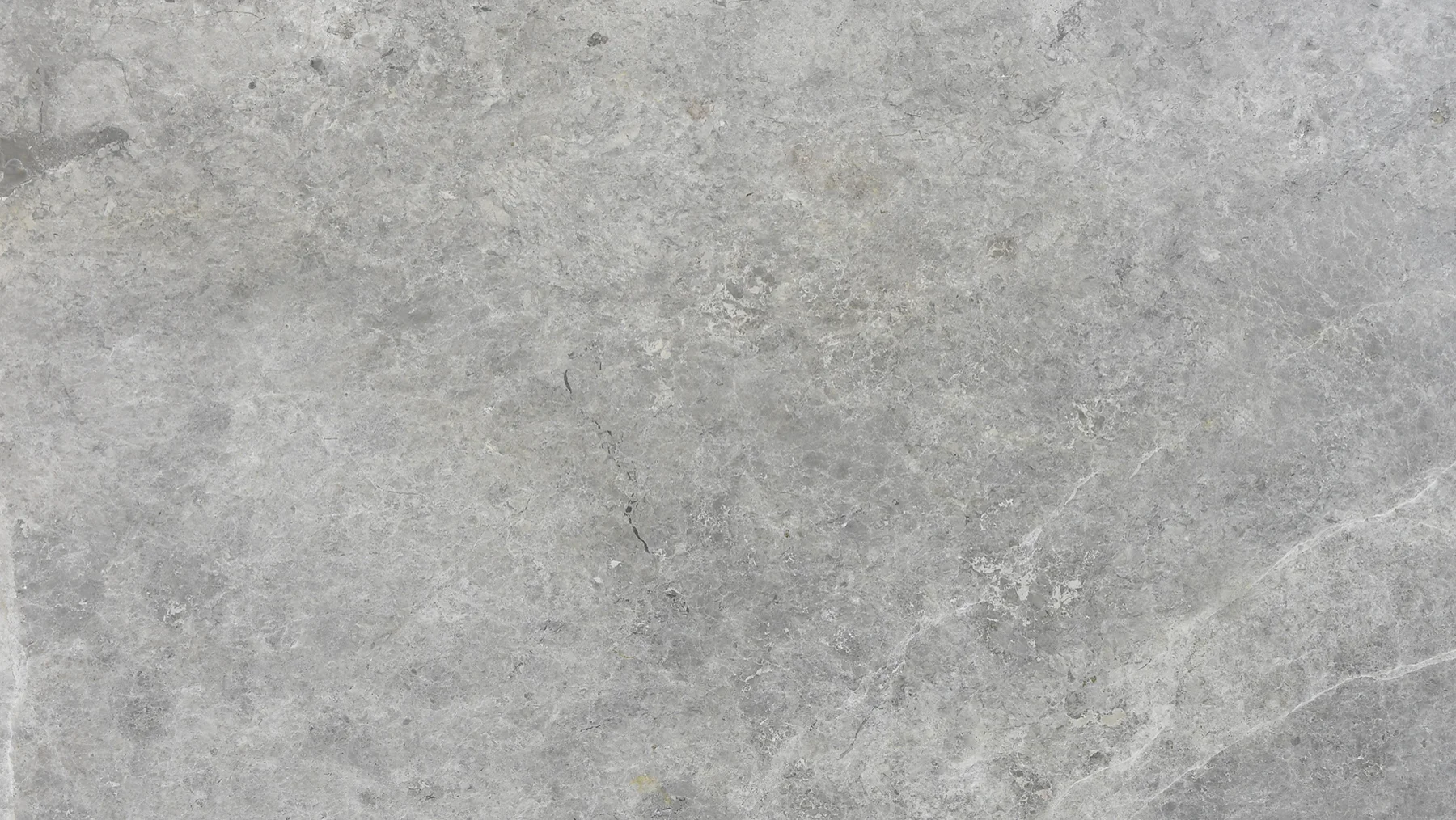
The marble and travertine looks are what most of our customers pick. Calcutta Marble and Santorini White Marble are white with gray veining. Bianco Travertine and Travertine are warmer and creamier. Napoli Marble sits between the two. There are granite looks, stone looks like River Rock, and solid colors, including white in matte or gloss, for people who want a plain wall.
These are marble-look and travertine-look patterns in a solid-surface panel. They aren't stone, and we won't tell you they're identical to it. What they don't look like is the gloss white kit at the lake house. A made-to-fit wall is measured in your bathroom and fabricated to those numbers, with trim made for it, instead of a stock kit trimmed on site. Recessed niches and shelves go in as part of the wall rather than as a caddy hanging off the showerhead.
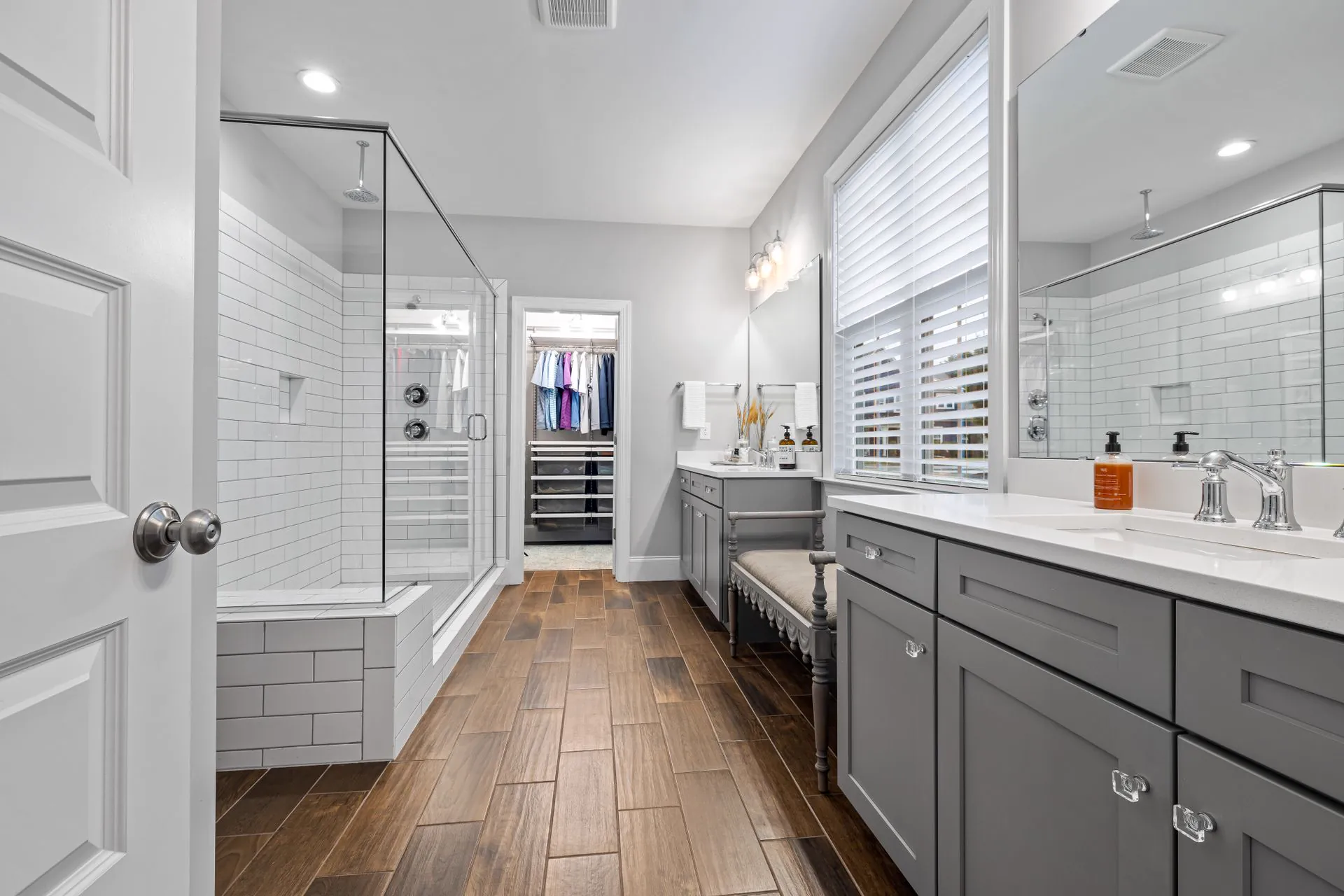
If you like the lines of tile, the same material comes in tile-look patterns: 3x6 and 4x12 subway, hexagonal, herringbone, chevron and picket, among others. The lines are molded into one non-porous panel, so you get the pattern with no grout lines to scrub, seal or regrout. That's the answer for most people who "assumed they wanted tile." What they wanted was the look.
Two posts go deeper here. Won't shower wall panels look like a plastic insert? gives you a six-point test for judging any panel shower from the doorway and from six inches away. Choosing a shower wall color and pattern you'll still like in 2040 starts with the floor and vanity you're keeping and works out from there. The full set of finishes is on our colors and patterns page.
How grout-free shower walls hold up
The manufacturer doesn't publish a lifespan in years, so we won't make one up. What it does put in writing is that its polymer "won't chip, stain, or fade under normal use" and that its products are "highly resistant to cracking, chipping, peeling, and fading under normal use." Its shower page also calls the material scratch-resistant, and says its non-porous surfaces resist mold and mildew.
"Under normal use" is the phrase to hold on to. Grit is what dulls these walls: scouring powder used week after week can leave a dull patch where someone leans into the scrubbing. Keep the grit off the wall and you've avoided most of it.
The worry behind this question is usually a material you've already lived with: a cultured-marble vanity top that yellowed, or a fiberglass tub in a rental that cracked along the floor. Those are different materials from the solid-surface in these walls, and the thin kit that flexes when you lean on it is a different product. Fit matters too. A wall made to your measurements and set on a prepared substrate after the old wall comes out is a different job from a stock panel trimmed to fit over whatever was there.
Bulldog's warranty covers the product and our workmanship for as long as you own the home, and the manufacturer backs its systems with a lifetime warranty of its own. Ask the consultant for the written warranty at the first visit and read it at your own table before you sign. Do grout-free shower walls hold up? takes scratches, stains, fading, cracks and mildew one at a time.
Grout-free walls vs. tile over 20 years
A tiled shower and a grout-free shower can both be good showers. They ask different things of you, at install and for the 20 years after.
A tile contractor builds in layers: demo to the studs, cement backerboard (the water-resistant board that replaces drywall behind the tile), a waterproofing membrane, the tile, then grout. Each layer waits on the one before it. The data sheet for Polyblend Plus, a common sanded grout, says to enclose and protect the installation for at least 72 hours for a proper cure, and the SurfaceGard sheet says to let new grout dry at least 48 hours before sealing. That's days without the shower after the tile is up, on top of the days it took to get there.
| Tiled shower | Grout-free solid-surface shower | |
|---|---|---|
| Install time | Several days, with each layer waiting on the one before it | One day for the wet area; first shower the next morning |
| Grout and sealing | Grout in every joint; sealer on its own schedule | No grout lines, nothing to seal |
| Weekly care | Tile cleaner, grout brush, the bottom row | Mild soap, water, a soft cloth |
| Looks it does best | Hand-set mosaics, curbless wet rooms, feature walls | Marble, travertine and tile-look patterns |
Tile vs. acrylic shower walls is the long version of that table, with a section for each kind of household and the questions to ask a tile contractor.
Who should still pick tile
Tile is a good product, and a tiled shower built with a real waterproofing layer behind it lasts a long time. Some bathrooms call for it:
- A hand-set mosaic or a specific tile you've had your eye on for years.
- A curbless wet room, where the shower floor runs flat out into the bathroom in the same tile.
- A feature wall with a design story behind it, in a house where the bathroom is meant to be talked about.
If that's you, hire a tile contractor. Ask to see the waterproofing before the tile covers it, plan for a longer install, and plan on resealing the grout. Bulldog doesn't sell tile, so weigh our advice with that in mind. It's still the right advice for that bathroom.
Most of the people who call us aren't in that group. They want a shower that looks like it belongs in this decade, cleans in ten minutes and doesn't send them back to the grout aisle every couple of years. For them, the grout-free wall in a marble or subway look covers what they meant by "tile."
When your tiled shower has to come out
Not every gray-grout shower needs replacing, and nobody should sell you one that doesn't. On a shower under about 20 years old, with tiles that click when you tap them and a firm floor by the tub, cleaning and resealing the grout is the right fix. Regrouting vs. resealing vs. replacing walks through what each fix does and how long it lasts.
The line comes when the wall behind the tile is the problem. Tap every tile on the tub wall with a knuckle. A dull, hollow sound means the tile has let go of the board behind it. Press your heel along the floor next to the tub; a spot that gives is worth having someone look at from below. The EPA tells homeowners to dry water-damaged areas within 24 to 48 hours to prevent mold, and board behind failed grout can get wet each time someone showers.
Your 20-year-old shower: what fails first lays out the order an older shower fails in and a 20-minute check you can do this weekend. The showers our crews replace are mostly 20 years old or more, and in those the wall behind the tile is the job.
What a grout-free shower install looks like with Bulldog
The look gets decided at your kitchen table. A design consultant brings samples to your house so you see them in your own bathroom light, measures the tub or shower area, and our designers can show you a 3D rendering of the room with the color and pattern you picked. The base, walls and trim are fabricated to those measurements before install day. The same people who measured come back to install.
On install day our crew guts the tub or shower area to the studs. The old tile, the board behind it and the old tub or base come out, and the crew sees the subfloor and the pipes with the wall open. The new base, walls and fixtures are in by evening, and you take your first shower the next morning.
That one day covers the wet area. Can you replace only the shower and keep the vanity and floor? covers that choice. If you also want the floor, vanity or toilet replaced, that's a separate, longer job, and we tell you how long before you sign. An adult needs to be home at the start and the end of the day. We have pulled a lot of almond tile out of Anderson Township ranches. The one-day remodel page walks through install day hour by hour.
What sets the price, and financing
We don't post job prices, because the number depends on your bathroom: the footprint, the base you pick, the door, the fixtures, and what turns up under the old tub. A consultant measures and gives you a written quote, free.
With promotional financing, qualified buyers get the new shower (the wet area gutted to the studs, new base, walls, fixtures and the lifetime warranty) for as low as $150 a month, or 12 months no interest, on approved credit. Get the shower now and pay later. Current offers are on the promotions page.
Where to start
Open the colors and patterns page and pick two looks you'd put next to the floor and vanity you're keeping, one marble or travertine and one tile-look pattern if you still miss the lines. Then call (513) 657-3750 or use the estimate form, and ask the consultant to bring those two samples when they come to measure. If you'd rather keep reading first, start with the tile comparison and the post on whether panels look like a plastic insert. Those are the two questions that decide it for most people who assumed they wanted tile.